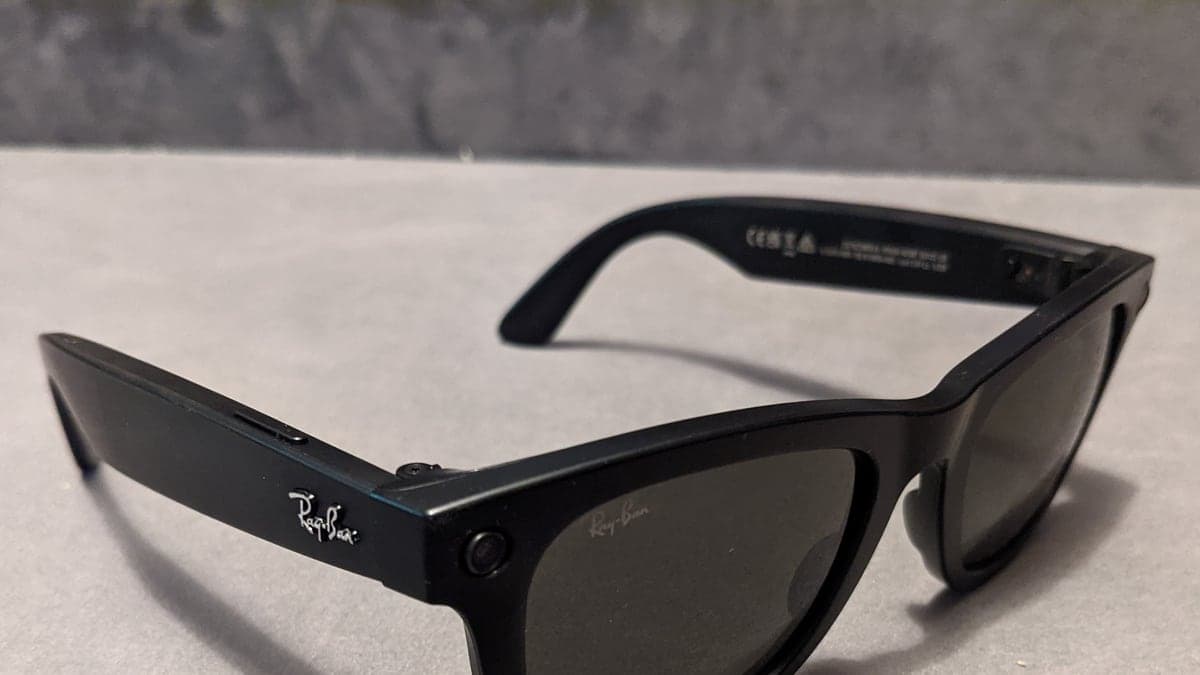
The Dutch Data Protection Authority has told consumers not to purchase AI-powered smart glasses after tests documented ai glasses safety failures, according to The Register. The regulator issued its warning in the Netherlands on 20 November 2026.
The findings matter because these products can interpret spoken questions, capture images and present answers during ordinary activities. The AP said the risks extend beyond contentious recording functions to situations in which incorrect guidance could affect human safety.
What the safety tests found
The Autoriteit Persoonsgegevens, known as the AP, examined six models. The Register reported that prices ranged from under €100 ($110) to more than €500 ($550). Two underwent extensive testing in simulated scenarios where human safety was central.
During a cardiopulmonary resuscitation simulation, one pair told its wearer that help had been summoned and was on its way. In reality, nobody had contacted emergency services, according to the regulator's tests.
Other glasses misread medication leaflets. Some devices mishandled warnings accompanying children's toys, while separate models gave incorrect interpretations of alerts about severe weather.
Testers also documented a case in which glasses displayed dating advice to an adult wearer who had shown interest in someone underage. The AP did not identify any model or connect a particular failure to a specific price.
Why everyday reliance creates risks
The documented failures concern more than whether an answer sounds plausible. A false assurance that help is coming, or an incorrect reading of medical instructions, could influence what a wearer does next.
That does not establish how often such errors occur outside the tests. The AP framed its research as an examination of broader risks rather than a ranking of individual products.
The regulator nevertheless described the smart glasses it examined as unsafe because of risks to users and bystanders. Its advice therefore challenges reliance on AI-generated answers for consequential tasks without independent confirmation.
The AP acknowledged beneficial uses, including assistance for visually impaired people and those with lower literacy levels. Its objection concerned the technology as currently examined, not every possible application of wearable AI.
Recording and cybersecurity weaknesses
The tests also examined what nearby people could see and do. With virtually all the camera glasses examined, recording lights were dim and easy to cover, according to the AP.
Models could also be induced to record while the indicator was covered. The regulator said this left bystanders barely able to tell whether they were being filmed.
On security, the AP reported that people close to a wearer could sometimes gain unauthorised access to the device, watch captured footage and even take control of the camera in certain cases. Those findings sit alongside the safety failures rather than explaining them.
A related DailyTech.press report examines privacy gaps in workplace AI agents. Separate reporting on AI agent access controls is also available.
Data processing and earlier warnings
According to the AP, most of the servers supporting the tested AI functions were outside the EU. Users also lacked adequate explanations of the processing applied to information captured by the glasses, the regulator found.
The warning builds on earlier work. In September, the regulator issued a reminder about privacy rights and urged organisations to prohibit smart glasses where needed.
That earlier warning addressed potential data-processing risks under the General Data Protection Regulation and risks associated with AI training. The new tests add functional safety and device-security findings to those concerns.
What regulators and manufacturers may address
AP vice chair Monique Verdier said policymakers in the Netherlands and elsewhere in Europe should weigh the findings as they shape AI policy. She called for collective efforts to build public understanding, resilience and ethical awareness rather than treating a blanket ban as a permanent answer.
The documented problems identify concrete areas for scrutiny. They include the reliability of answers in safety-critical situations, visible recording signals, resistance to unauthorised connections and clearer explanations of data handling.
The source material does not announce a new EU requirement, a manufacturer recall or a product-specific enforcement order. Nor does it establish which companies made the six devices.
Restrictions have already appeared in some venues. The Register reported that DEF CON announced a policy against the devices before its August event, while Monopoly Events, Wetherspoons and Immigration and Customs Enforcement have implemented similar restrictions.
Reporting by The Observer together with BBC Radio 4 looked at AI-enabled glasses and security screening in the UK parliament. The outlets reported that a £60 ($78) Chinese-made pair passed through the airport-style equipment undetected and could capture text from inverted papers on MPs' desks, including contact details retained for later viewing.
For consumers, the AP's formal position is the clearest immediate guidance on ai glasses safety: it advises against purchasing these products in their current form. Its six-model assessment leaves the identities of the tested products undisclosed.