An iphone microphone bug allowed apps on iPhones and iPads to record audio after users selected “Don't Allow” on the microphone permission prompt, according to a report published by The Hacker News on 17 November 2026.
The flaw matters because the prompt is a visible privacy control: a denial should prevent an app from gaining microphone access. Apple has patched the issue, and the first security updates containing the fix were released on 17 August, but devices without those updates remain outside that protection.
How the iPhone microphone bug bypassed permission
The problem sat in Apple's audio service rather than in the wording of the permission prompt, The Hacker News reported. An app could therefore reach audio recording through the affected service even when the user had refused microphone access.
That distinction is central to the disclosure. The user interface presented a choice, but the underlying audio service did not enforce that choice as expected. The available source summary does not identify the vulnerable component by a more specific technical name, provide a CVE identifier or describe the exact recording conditions.
The report also does not establish that every app could reproduce the behaviour in every circumstance. It says the flaw let apps on iPhones and iPads record despite a denied prompt. Readers should not infer that microphone indicators, other sensors or unrelated Apple services were compromised without further documentation.
No exploit instructions are needed to understand the practical consequence. A permission denial is only as reliable as the system service responsible for enforcing it, and this case separated the user's decision from the service's behaviour.
Which fixes are confirmed
The Hacker News said the first security updates carrying the fix arrived on 17 August. It described the vulnerability as now patched. The supplied material does not list the corresponding iOS or iPadOS version numbers, later update releases or a complete matrix of supported devices.
That absence limits any precise version-by-version advice. Users should not treat an unverified version number as proof that a device is protected. The dependable course is to install the latest security update Apple offers for the specific iPhone or iPad and to check the vendor's release information where it is available.
The publication date also separates two events. The initial fixes were released on 17 August, while Nik Tsytsarkin of Meta Red Team X published the technical details, according to the report. The source summary names Mustafa as the second researcher but does not provide a fuller name or affiliation.
Neither Apple nor the two researchers reported that the flaw had been used in attacks, according to The Hacker News. That is not evidence that no misuse ever occurred; it is the extent of what the available reporting confirms.
Why users should update and review microphone access
Updating closes the specific software flaw on devices that receive the fix. Reviewing microphone permissions addresses a separate risk: an app may still have access because a user granted it earlier, not because of this bypass.
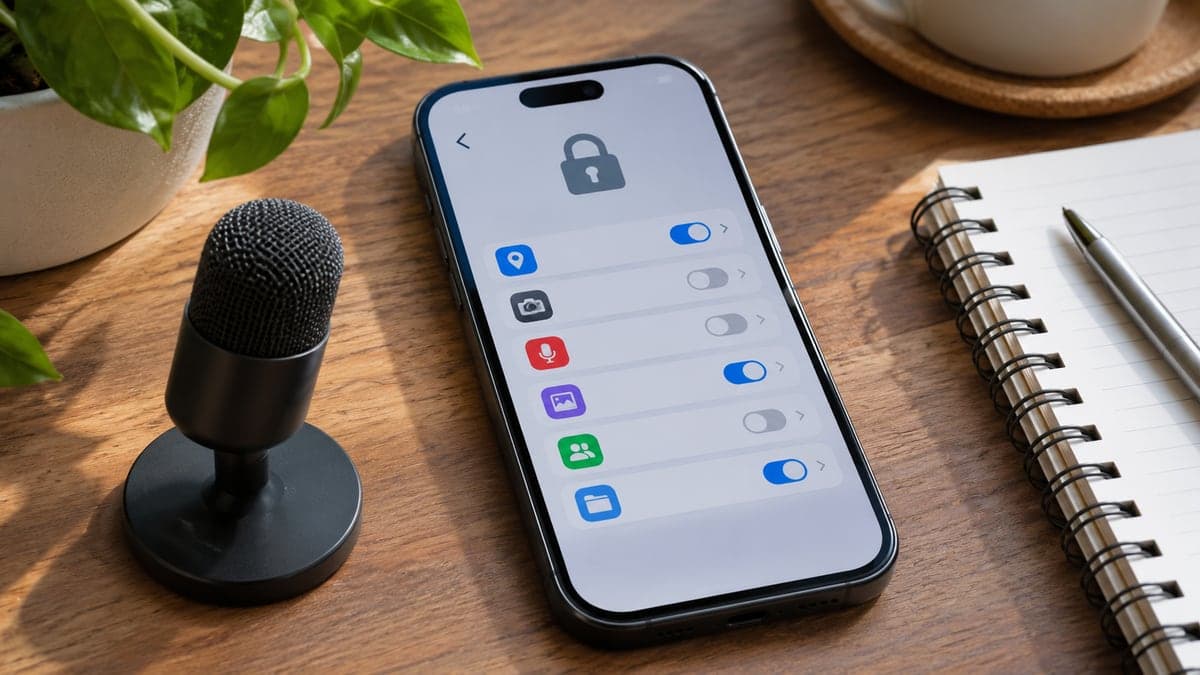
Users can check the microphone section of their device's privacy settings and remove access from apps that do not need it. They can also inspect an individual app's permission entry and consider whether microphone access is necessary for its stated function. These are general permission-review steps, not claims that a particular app exploited the flaw.
A practical review can follow three principles:
- Install the newest security update available for the device.
- Remove microphone access from apps that no longer need it.
- Re-check permissions after installing or reinstalling audio, messaging and recording apps.
DailyTech.press has separate guidance on smartphone privacy settings and on keeping software and devices updated.
What remains unclear
The supplied report summary does not specify all affected operating-system releases, the fixed version numbers or whether any other Apple platforms were affected. It also provides no attack count, victim figure or evidence of exploitation.
Those details should not be filled in by assumption. The confirmed position is narrower: the audio-service flaw bypassed a denied microphone prompt, fixes began shipping on 17 August, and technical details were published months later.
For users, the immediate action does not depend on knowing a CVE number. Apply the available update, then check which apps can use the microphone. For administrators managing Apple devices, update compliance and permission inventories provide a clearer basis for follow-up than speculation about unreported attacks.
The disclosure is also a reminder that privacy prompts and enforcement mechanisms must be assessed together. A clear denial on screen cannot substitute for correct enforcement in the service underneath it.