Ukrainian police and the FBI detained four alleged ransomware group members on 18 November after 66 searches in Kyiv and 11 regions. The ransomware arrests followed a two-year investigation into payments exceeding $40.5 million.
The case matters to companies in sectors including oil and gas, pharmaceuticals, manufacturing, logistics and finance, which Ukraine's National Police said were among the targets. It also shows how investigators are following ransom payments and attack infrastructure across national borders, while many alleged members of the wider network remain unidentified.
What investigators found
Maksym Tsutskiridze, the acting head of the National Police, told Censor.NET that police knew of 28 or more victim companies. Their combined ransom transfers exceeded $40.5 million, or approximately UAH 1.8 billion, he said in the interview reported by BleepingComputer. He added that the full damage was still being assessed.
According to investigators, at least 27 people from Ukraine, Kazakhstan, Russia and elsewhere belonged to the organisation. Police also linked it to a broader network spanning eight jurisdictions and involving over 60 people, some of whom had previously belonged to Conti.
Ukrainian authorities have not identified the four detained suspects as former Conti members. They have also not confirmed the suspects' individual affiliations with BlackSuit or Chaos, two names that appear in reporting around the case.
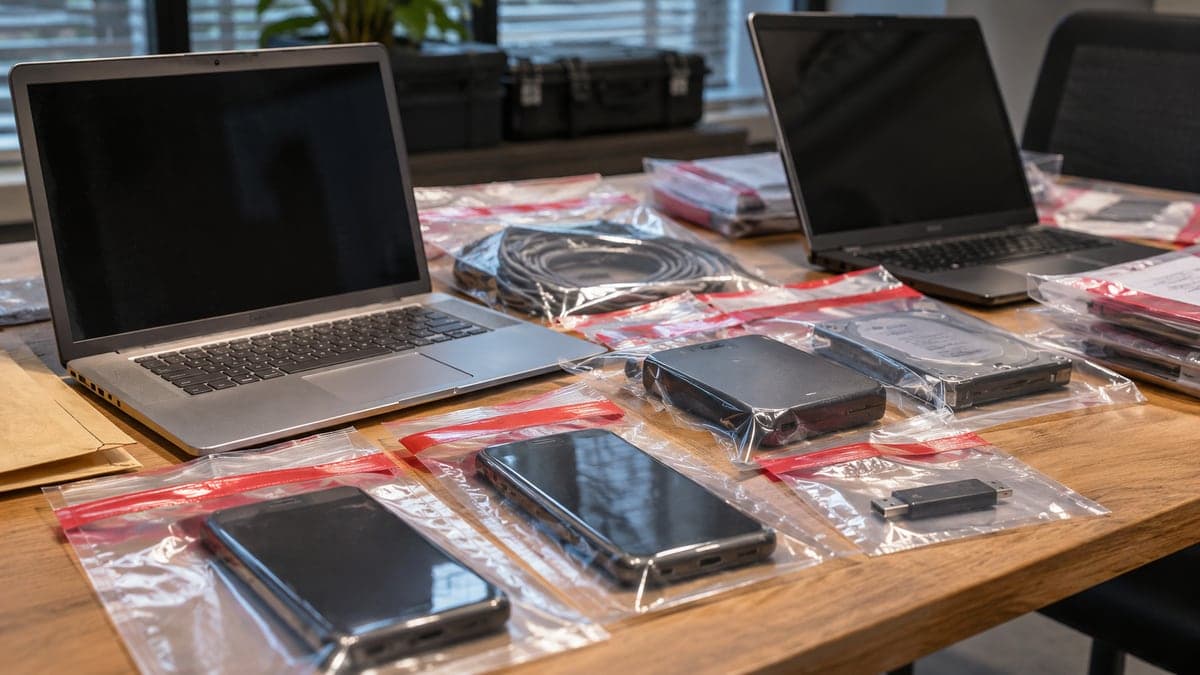
Officers confiscated computers, handsets and bank cards during the searches. They also recovered almost $370,000 in cash and €20,000, according to the National Police account reported by BleepingComputer. The four suspects were formally notified of suspicion and remained in custody.
How the alleged ransomware gang operated
The National Police said the group studied prospective targets before attacking, examining their finances, property, workforce and weaknesses in their computer systems. The alleged objective was data theft and file encryption, followed by demands for payment in cryptocurrency.
To gain access, the attackers impersonated IT support personnel. Tsutskiridze said they built a platform that automated fraudulent calls using voices produced by artificial intelligence, persuading staff to hand over credentials or install remote-access software.
Ukrainian court records described phishing pages imitating corporate virtual private network services, spoofed telephone numbers and remote-access tools including TeamViewer and AnyDesk, according to reporting first published by French cybersecurity outlet LeMagIT and cited by BleepingComputer. In one documented incident, one attacker kept an employee on the telephone while another accessed company systems.
Tsutskiridze said the group built its own platform using voices produced by artificial intelligence.
Once inside a network, the attackers allegedly copied sensitive information and encrypted files. They then demanded payment to restore access while threatening to publish stolen data, a combination commonly described as double extortion.
The Warren Oil Company attack illustrates the alleged method. Court records said an employee was deceived into supplying credentials through a fraudulent page, after which the attackers secured a two-factor authentication code and remote network access. The records identified Warren Oil as the victim of an August 2024 attack in which 1.4 terabytes of data were copied before an 84.5 BTC payment, worth approximately $5 million at the time.
Victims and ransom payments
LeMagIT reported that the court files named four victims: Warren Oil Company, Maxxis International-USA, Newpark Resources and Quantum Health. These are allegations contained in the records, not findings that every aspect of each attack has been proved in court.
In one attack on a US company, investigators said the hackers stole 1.4 terabytes of data and expanded the intrusion to other businesses belonging to that company's group. A $10 million opening demand was reduced through negotiation, and the attackers ultimately received $5 million.
The records alleged that Newpark Resources paid $1.5 million in December 2024. Quantum Health allegedly paid $5 million in June 2026 after an initial demand for $15 million.
LeMagIT reported that the BlackSuit ransomware gang listed Maxxis International as a victim in November 2024. Ukrainian court records identified Chaos as the ransomware used by the criminal organisation, leaving questions about how the different operations and brands were connected.
The National Police released video material showing raids, seized cash, investigator interviews and a suspect being questioned. It also included audio from an alleged extortion call demanding $15 million after the caller said more than 1.5 terabytes of corporate data had been stolen.
What the arrests mean for the ransomware ecosystem
The detentions do not amount to the dismantling of the entire network described by investigators. Police said the organisation had at least 27 members and was connected to more than 60 people across eight jurisdictions, while the investigation was continuing.
The Conti operation shut down in May 2022, after which members dispersed into smaller ransomware gangs and other cybercrime operations. BlackSuit was one group linked to former Conti members; it initially operated as Quantum ransomware in January 2022, became Royal and adopted the BlackSuit name in June 2023 after testing a new encryptor.
That history suggests that ransomware arrests can remove individuals without necessarily eliminating the techniques, criminal relationships or access methods used by affiliated groups. The reported mix of Chaos, BlackSuit and former Conti connections also illustrates why a single ransomware brand may not describe the whole operation.
The alleged reliance on telephone social engineering is equally significant. Technical controls such as multi-factor authentication can be undermined when employees are persuaded to enter credentials into fraudulent pages and disclose authentication codes. DailyTech.press has separately examined how AI is reshaping cybersecurity, including the changing demands placed on defenders.
Charges and what happens next
Prosecutors accused the suspects of belonging to a criminal organisation and unlawfully interfering with computer systems. Ukrainian law allows a prison sentence of as long as 15 years for those convicted on these charges.
Police said their inquiry remained open. Detectives are seeking further suspects in the cross-border network and examining whether those people took part in additional attacks.
For organisations, the court records and police account point to the risks created by fraudulent support calls, credential-harvesting pages and remote-access tools. DailyTech.press explains what ransomware is and what to do if you're hit, while its guide to backing up business data and proving it works covers recovery preparation.
The immediate test for investigators is whether the searches and financial evidence lead to further suspects beyond Ukraine. For victims and defenders, the case is a reminder that a ransom figure records payments already made, not the full cost of disruption, stolen data or recovery.