US consumers pay an estimated $12 billion extra a year for repairs as computerised vehicles require paid software access, a Public Interest Research Group investigation published on 22 November found. It says car repair software locks and subscriptions raise garage costs and insurance premiums.
The findings matter to drivers, independent mechanics and insurers alike. The Public Interest Research Group, or PIRG, says the burden is not limited to people whose cars need work because more expensive repairs can produce larger insurance claims.
How repair software adds costs
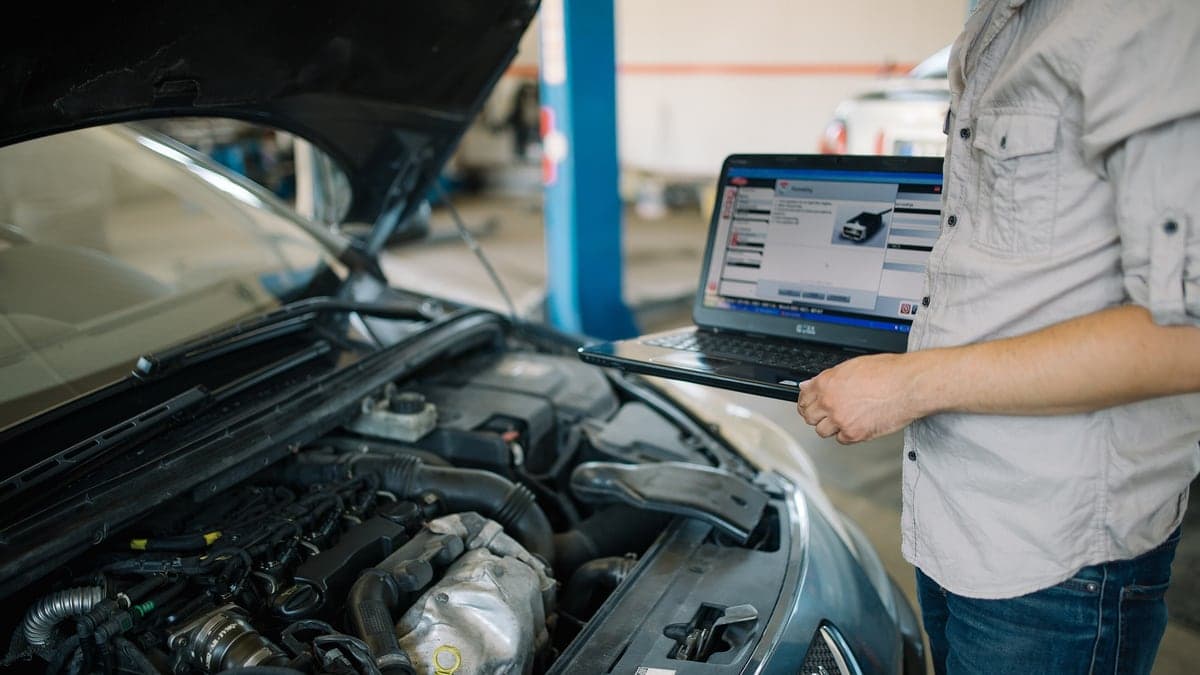
Modern repair work can require a technician to connect a laptop or tablet before locating a failed sensor, releasing an electronic parking brake or running diagnostics, The Register reported. The garage then needs the appropriate manufacturer tools and information, which can involve subscriptions and other charges.
PIRG's report, Closing Shop, examines how those requirements affect independent businesses. A small garage may not be able to justify buying every package needed across the vehicles it services.
The investigation estimates that about one in five jobs may be directed to an authorised dealership when an independent shop lacks the necessary access. PIRG says that shift allows dealerships to charge more, contributing to what it describes as a two-tier repair model.
A separate PIRG Education Fund report describes a divide in repair conditions. Independent workshops, it says, operate with poorer access to data and diagnostic capability than authorised dealerships, and incur greater related costs. Those findings are the advocacy group's assessment rather than a manufacturer admission.
Where the $12 billion estimate comes from
The annual figure is an estimate, not a total of bills directly recorded by insurers or garages. PIRG calculates that repair technicians lose 83 million hours annually to administrative tasks around tool access: purchasing packages, installing them, authenticating accounts and waiting for systems to respond.
Converting those hours into labour charges at standard workshop rates produces the $12 billion total, according to the group. Its wider argument is that car repair software locks create both direct charges and delays, with the resulting costs passed through the repair market.
On insurance, PIRG says US motor cover has become more expensive at triple the pace of the wider economy since 2012. It links higher repair costs to higher claims and, ultimately, premiums paid by drivers.
The source material does not provide a manufacturer response to the estimates. It also does not break the $12 billion down by vehicle brand, state or individual subscription.
What PIRG wants regulators to change
The group is asking legislators to prevent manufacturers from excluding independent mechanics from straightforward work, citing brake-pad replacement as an example. It also wants a common authentication standard so that independent diagnostic equipment can be used across vehicles.
Another proposal concerns telematics, the data transmitted by connected vehicles. PIRG wants a standardised platform through which owners could obtain repair information and grant access to an independent workshop.
It says car companies can draw on connected-car data to alert an owner that work is needed and steer that person towards an approved repairer, while withholding the nature of the fault. Owner-controlled access would instead let the customer choose who receives that information.
For people repairing their own vehicles, PIRG says workshop manuals and entry-level diagnostic programs ought to carry no charge. It also recommends a cap on licence fees for official repair tools.
"We've allowed car manufacturers to build a toll road between the mechanic and the repair," says Nathan Proctor, who leads PIRG's Right to Repair campaign and co-wrote the report.
Proctor also said the various charges for manuals, diagnostic tools and secure access slow the repair process as well as increasing its price. His comments frame the issue as both an access problem and a loss of working time.
What legislators could do next
The recommendations provide several distinct policy levers rather than a single technical mandate. Tool authentication addresses whether an independent device can communicate securely with a vehicle, while telematics rules would address who controls repair data.
Free documentation and capped licence fees target the cost of entry for smaller workshops and DIY repairers. Limits on software restrictions for routine jobs would address whether paid access is required at all.
The source does not identify a bill, regulator or timetable for adopting these proposals. For now, they remain recommendations from PIRG, with the $12 billion figure representing its estimate of the annual repair premium.
Drivers comparing repair options can use the findings to ask whether a garage has the diagnostic access needed for their vehicle. The practical issue identified by the report is not simply the hourly labour rate, but whether software access allows an independent technician to finish the job.
Wider technology policy coverage is available in a related DailyTech.press report, while another DailyTech.press report covers a separate regulatory development involving vehicle technology.