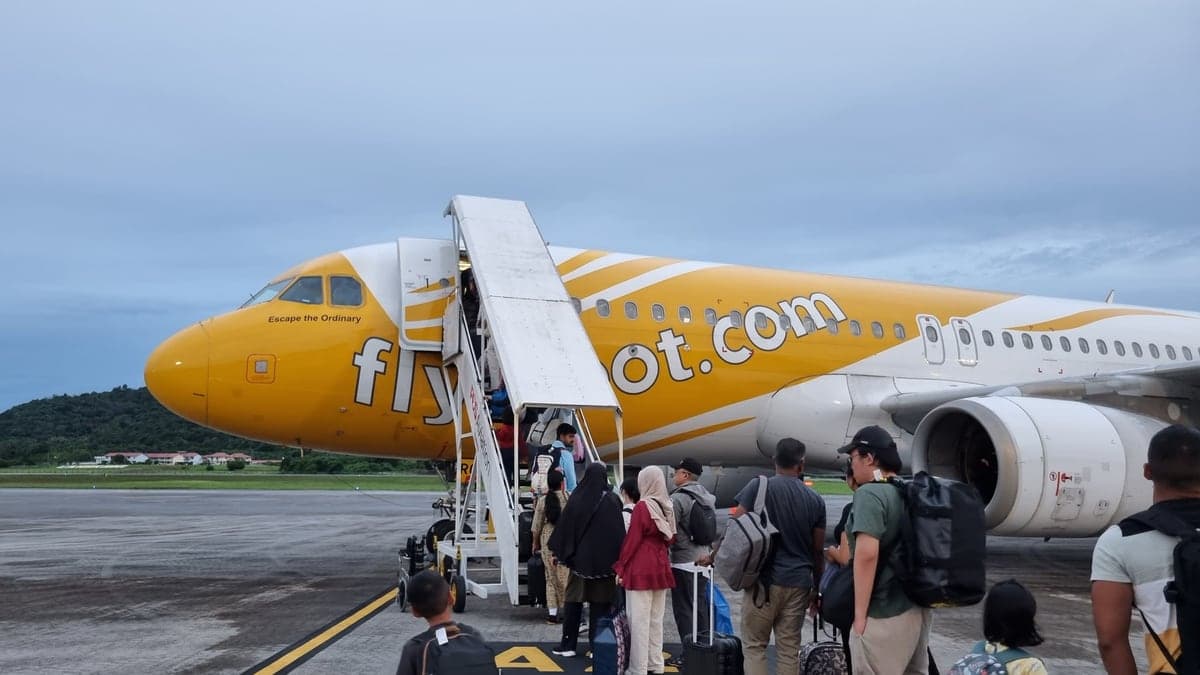
Significant delays affected Delta Air Lines services at Hartsfield-Jackson Atlanta International Airport on Sunday after a failure involving its aircraft weight-and-balance calculations. The delta weight and balance outage disrupted operations at the carrier’s largest hub.
The failure matters because the calculations support safe departure decisions, not merely airline administration. Passengers faced delays while Delta teams switched to manual workarounds, and prolonged disruption at one of the world’s busiest airports could affect other airports and airlines.
What Delta confirmed
In a statement issued on Sunday, Delta described staff using manual procedures as efforts continued to bring back the automated function. The airline’s wording confirms a workaround and restoration work, but does not establish that normal automated operations had resumed when The Verge published its report.
"Delta teams are using manual workarounds this morning to safely get flights departed while work continues to restore automation," the airline said in a statement on Sunday.
The Verge reported significant delays across Delta’s Atlanta arrivals and departures. It said Delta was the only airline affected at that point, rather than reporting an airport-wide failure affecting every carrier.
That distinction limits what can be concluded about the incident. The reports describe a Delta systems problem and substantial delays; they do not say that the airport closed, that all flights were cancelled or that every departure had stopped.
What the weight and balance system does
The New York Times, in material quoted by The Verge, said the affected system calculates an aircraft’s total weight. That calculation includes the airframe, fuel, passengers and baggage.
The system also helps pilots determine the aircraft’s centre of gravity and assess whether weight is distributed evenly. The New York Times described those data points as helping ensure safe passage.
This explains why the delta weight and balance outage can obstruct departures even when aircraft, crews and airport runways remain available. Weight and distribution are operational safety inputs, so an airline cannot simply disregard the missing automated output.
Delta’s statement indicates that staff can perform the necessary work through a manual process. It does not provide the detailed procedure, say how long each calculation takes or quantify how much the workaround slows departures.
Why one application can disrupt a hub
The available reporting does not identify the application’s architecture, supplier or technical failure mode. It therefore does not establish whether the problem involved a single server, a network connection, bad data or another component.
What is confirmed is narrower: one automated safety-calculation function became unavailable, and Delta relied on people performing the work manually. At a large connecting hub, delays can accumulate as flights wait for that process, according to The Verge’s account of the disruption.
The Verge said a continued build-up of delays could spread the effects beyond the airport to other carriers and locations. That was presented as a possibility if disruption piled up, not as confirmation that knock-on delays had already occurred elsewhere.
The concentration of Delta operations at its largest hub gives the failure a broad potential passenger footprint. However, neither supplied report provides a departure total, delay count, cancellation figure or estimate of affected travellers.
What passengers still do not know
The reports do not give an estimated restoration time or identify the cause of the failure. They also do not say whether the problem was malicious, and no cyberattack claim should be inferred from the description of a system outage.
Delta has not said in the supplied material how many flights or passengers were affected. Nor do the reports provide individual flight statuses, rebooking instructions, refund eligibility or advice for travellers heading to the airport.
Passengers therefore have confirmation of significant delays and manual processing, but not a published recovery schedule. Any specific travel decision would require information beyond the supplied reports.
The incident also comes one week after a Federal Aviation Administration outage caused a groundstop across the US, with flight cancellations numbering in the thousands, according to The Verge. The report places the two events close together but does not establish a technical connection between them.
Readers can find neutral context on separate infrastructure incidents in a related DailyTech.press report. Another DailyTech.press article is available through the site’s coverage of service disruption.
What happens next
Delta’s statement leaves restoration of the automated function as the outstanding task, with manual procedures supporting departures in the meantime. The supplied reporting contains no later confirmation that the system had returned.
The immediate indicators to watch are therefore a Delta restoration update and published operational figures. Until those appear, the confirmed position remains significant Atlanta delays, a manual workaround and an unspecified effort to recover the automated weight-and-balance function.