A satellite-to-phone service that works like an ordinary mobile network has moved a step closer. AT&T and AST SpaceMobile say they handed a live connection from a terrestrial cell network to a satellite without interruption, and AST now expects initial, intermittent coverage in key markets by the end of 2026. The catch is that the satellites needed for reliable service are still months from orbit.
The handoff, explained
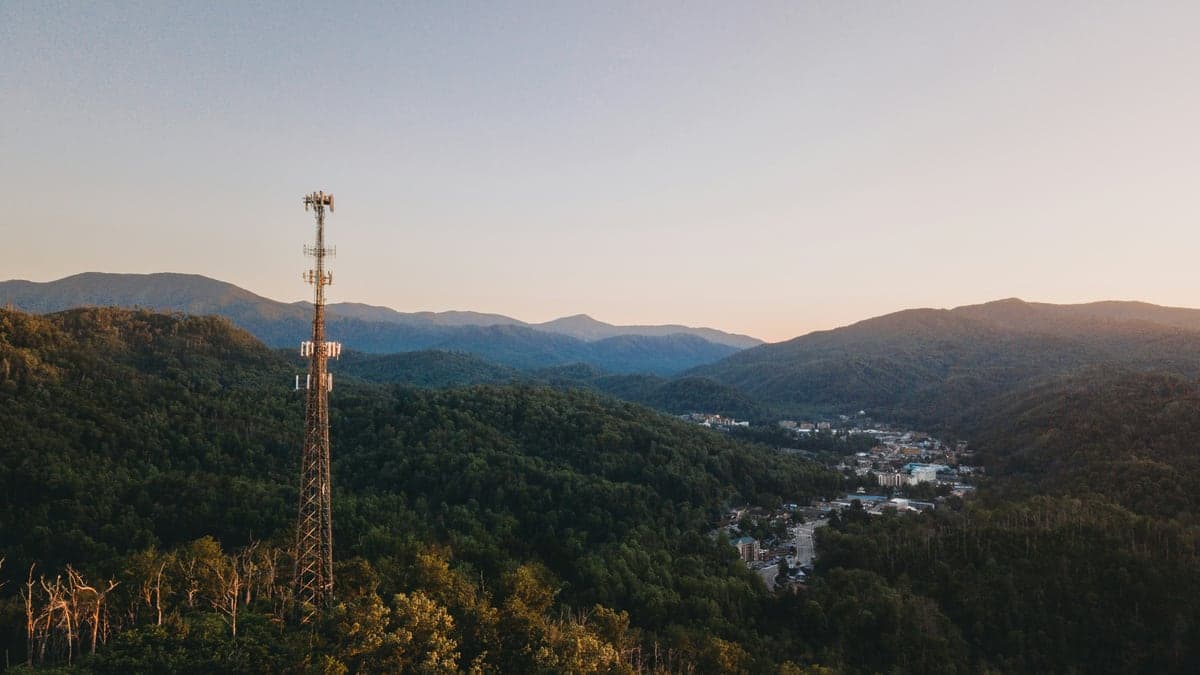
The test took place on October 21 at 8:15 a.m. Pacific time outside Granite Falls, Washington, according to Tomorrow's World Today and SDxCentral. The companies announced it on November 2 and describe it as the industry's first handoff between a ground-based cellular network and a direct-to-device satellite network. That claim comes from the companies themselves.
The roles were split four ways. AT&T supplied its terrestrial network and AST its BlueBird satellites in low Earth orbit. Ericsson provided radio, core and automation technology that the companies say cuts handoff times from seconds to milliseconds, and Nokia supplied radio access and mobility software for the space network. Broadband Breakfast reports that a voice call moved from the ground network to the satellite network without dropping, using standard smartphones rather than special hardware.
Why does this matter? Earlier satellite messaging features, such as emergency texting on recent phones, are separate modes you switch into when you lose signal. A seamless handoff is what turns a satellite into just another cell tower, one that happens to be hundreds of kilometres overhead.
The breakthrough is not that a phone can reach space. It is that the phone, and the person using it, no longer needs to notice.
When satellite-to-phone service arrives
AST's third-quarter business update, published on November 9, says the company is advancing to service readiness, with initial, intermittent nationwide coverage expected in key markets by the end of 2026. The first rollout goes to strategic partners in the United States, Canada, Japan, Saudi Arabia and the United Kingdom. AST also said it had received authorisation for commercial service in Brazil.
The word "intermittent" is doing a lot of work. AST says BlueBirds 11, 12 and 13 are unfolded and operating in orbit. BlueBirds 14 to 16 shipped to Cape Canaveral in September and are waiting for a SpaceX launch date, while BlueBirds 17 to 19 are due to ship by the end of November for a Blue Origin launch in early 2027. The company now targets about 45 satellites in orbit by mid-2027.
That is a slower timetable than AST once set. SDxCentral notes that AST had planned to launch 45 to 60 BlueBirds this year before revising that to 45 by early 2027, and Broadband Breakfast reports the company originally hoped to offer intermittent US coverage in early 2026. Launch problems have contributed: Broadband Breakfast says a Blue Origin rocket placed an AST satellite in the wrong orbit in April, and another Blue Origin rocket exploded on the pad a month later.
The competitive picture
Direct-to-device connectivity is now a carrier-by-carrier race. In the US, AT&T and Verizon are partnered with AST, while T-Mobile works with SpaceX's Starlink, according to Broadband Breakfast. The same report says SpaceX outbid AST for a block of 800 MHz spectrum, a reminder that airwaves are as important as satellites.
Outside the US, carriers are making longer-term plans. South Africa's Vodacom is targeting a commercial satellite-to-phone service by the end of 2027, likely with AST, Bandwidth Blog reports. Vodacom links the plan to retiring 2G and 3G networks, since direct-to-cell service will not work on older handsets.
What it means for your phone
For most people, the practical lessons are simple:
- No new phone is needed for AST's approach, which is designed to work with standard smartphones.
- Expect patchy coverage first. With roughly a dozen satellites in orbit, early service will come and go rather than run continuously.
- Your carrier decides. Access depends on which satellite partner your operator has signed with, and in which countries.
- Seamless is not guaranteed yet. Broadband Breakfast quotes analyst caution that handoffs back from satellite to ground may still interrupt a connection at first.
The technology is real, and the October test shows the network side is maturing. The bottleneck now is hardware in orbit. It is the same lesson we see across our beat, from Android XR glasses to AI-powered drones: a working demo is the start of a product, not the end. A satellite-to-phone service that people can rely on in a forest or at sea will depend on how many BlueBirds actually reach orbit in 2027.