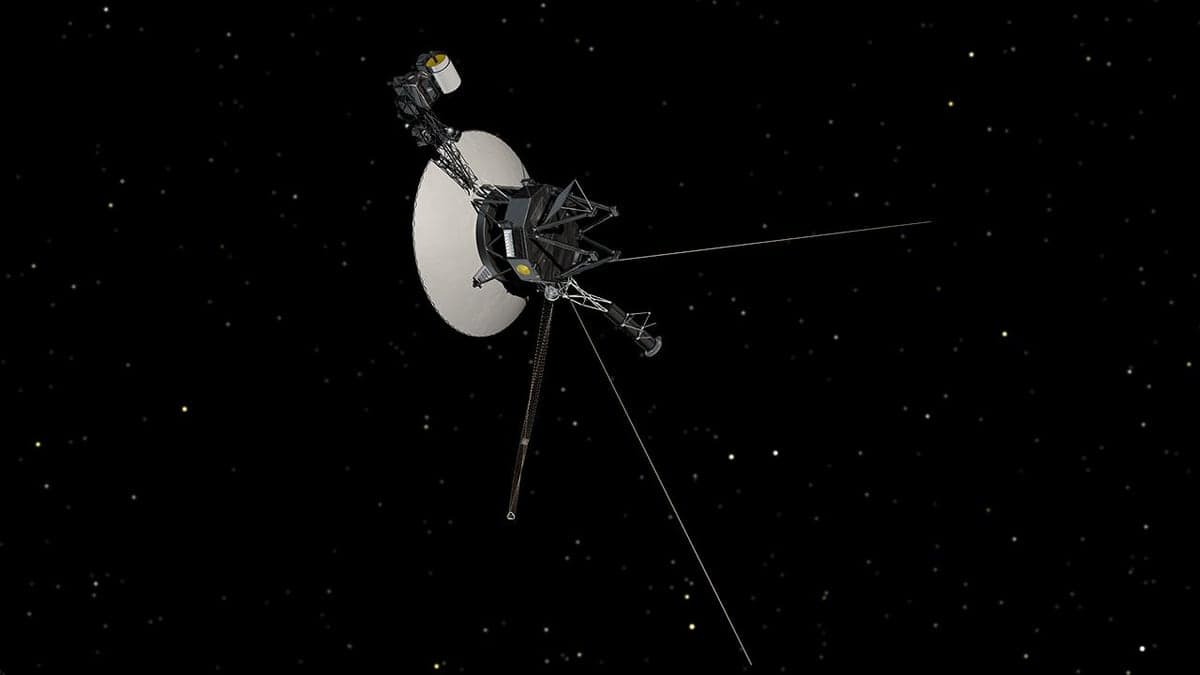
The Voyager 1 milestone that NASA has been counting down to arrives next week. According to NASA's mission tracker, at 2:16:07 a.m. Pacific time on Wednesday 18 November 2026, the probe will be 16.094 billion miles (25.902 billion kilometres) from Earth: the distance light travels in a full day. No human-made object has been that far away before.
Nothing will change on board when it crosses that line. But the moment is a useful lens on what it takes to keep a spacecraft launched in 1977 working at the edge of the possible, and why engineers are now rationing every watt.
What one light-day means in practice
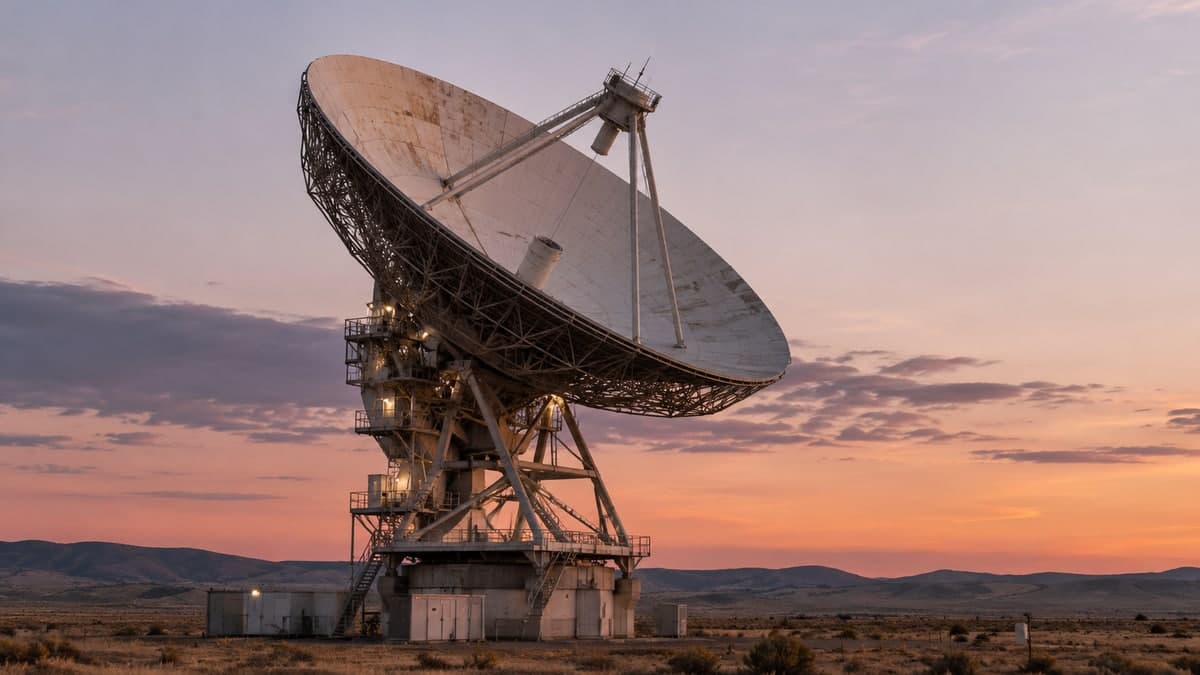
A light-day is a unit of distance, not time: about 16 billion miles. For the Voyager team it has a very concrete meaning. As NASA explained in an October update, a radio command now needs 24 hours to reach the spacecraft, and its reply needs another 24 hours to come back. Every conversation with Voyager 1 is a two-day round trip.
The probe is still moving outward at about 38,000 mph, so that delay keeps growing. It was already the first spacecraft to enter interstellar space, and it now samples a region no other active mission can reach directly.
NASA is marking the occasion publicly. Its event advisory invites people to flash "VGR" in Morse code with their phones after sunset on 17 November, and the agency will hold a discussion at NASA's Jet Propulsion Laboratory on 19 November, with a preview of a Voyager documentary planned for 2027.
The Voyager 1 milestone and the power problem
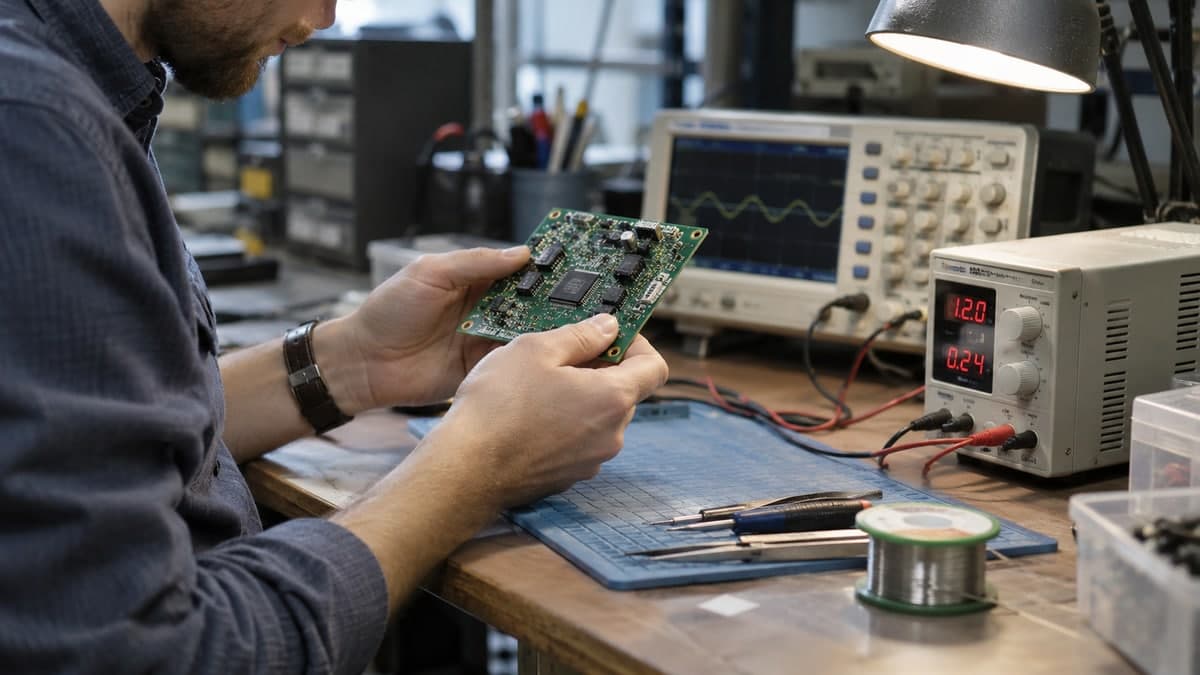
The more pressing story is power. Voyager 1 runs on radioisotope generators that convert heat from decaying plutonium into electricity. Both Voyagers lose about 4 watts a year as that fuel decays, and the team has been switching things off for years to stay within budget.
Each probe carried ten science instruments at launch. NASA's status table shows that on Voyager 1, only two remain on: the magnetometer, which measures magnetic fields, and the plasma wave subsystem. The cosmic ray subsystem was turned off in February 2025, and the low-energy charged particles instrument followed on 17 April 2026.
Voyager's real achievement is not distance. It is fifty years of engineers finding one more watt to save.
In early September 2026, engineers tried something bolder. Under a plan the team nicknamed the "Big Bang", they switched off three onboard devices on Voyager 1 and replaced them with lower-power alternatives, about six weeks after making the same swap on Voyager 2. The devices help keep the spacecraft warm, so the changes had to be made together to save power without upsetting how heat is distributed. NASA says that without the swap, another Voyager 1 instrument might have had to go dark as early as summer 2027.
A reminder of how fragile the mission is
In October the probe gave its team a scare. NASA's Deep Space Network, which uses large antennas at three sites around the world, failed to hear Voyager 1 during scheduled contacts on 18 and 19 October. The signal returned on 20 October. Engineers found that one group of thrusters had gone offline and backups had taken over, most likely through the spacecraft's automatic fault protection. The root cause is still being investigated.
Mission manager Kareem Badaruddin said it was "the first time we've seen the spacecraft do something like this." With a two-day round trip for every command, diagnosing such events is slow and careful work.
The contrast with modern technology is striking. A phone today has vastly more computing power than Voyager, and the industry is busy moving AI models onto devices. Meanwhile, AI data centres are measured in megawatts. Voyager's engineers are negotiating over single watts.
What comes next for Voyager 1
The immediate goal is to keep at least one science instrument working on each spacecraft as long as possible. The things to watch:
- Power margins: whether the September device swap buys the extra time NASA hoped for.
- Thruster health: the outcome of the investigation into October's switch to backup thrusters.
- Science returns: continued magnetic field and plasma wave data from interstellar space, which no other spacecraft can collect.
Eventually the power will run out and Voyager 1 will fall silent, still travelling outward. Until then, every day adds another 24 hours or so of light-travel time to a record that may stand for decades.
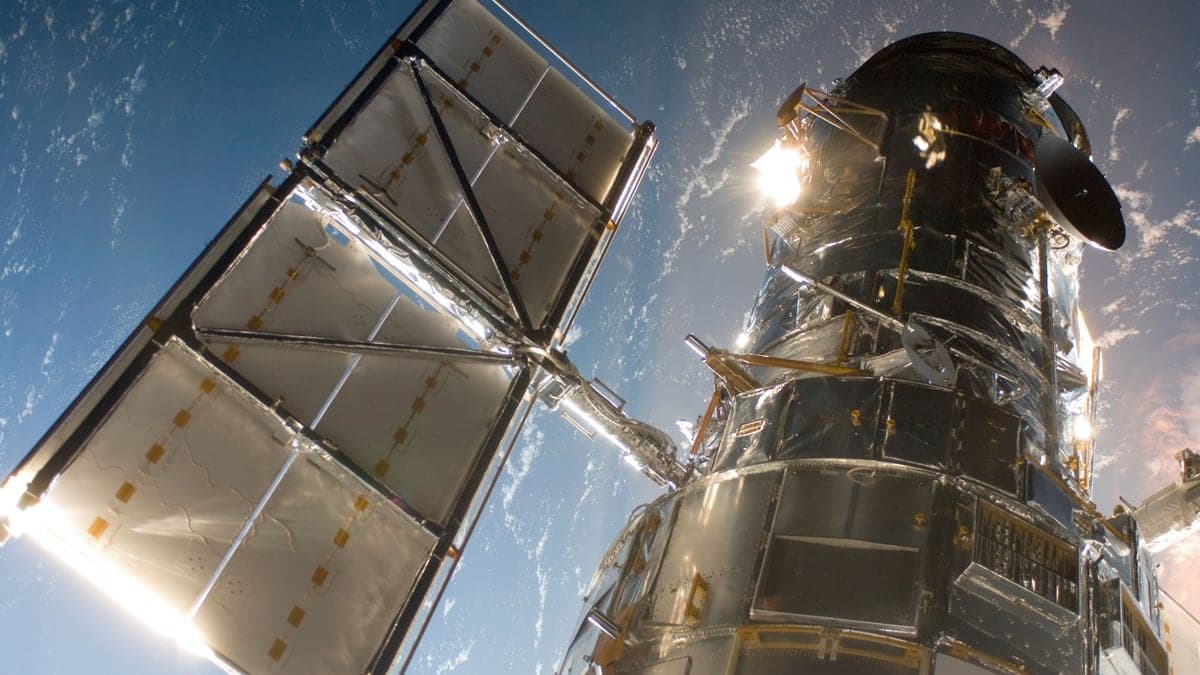
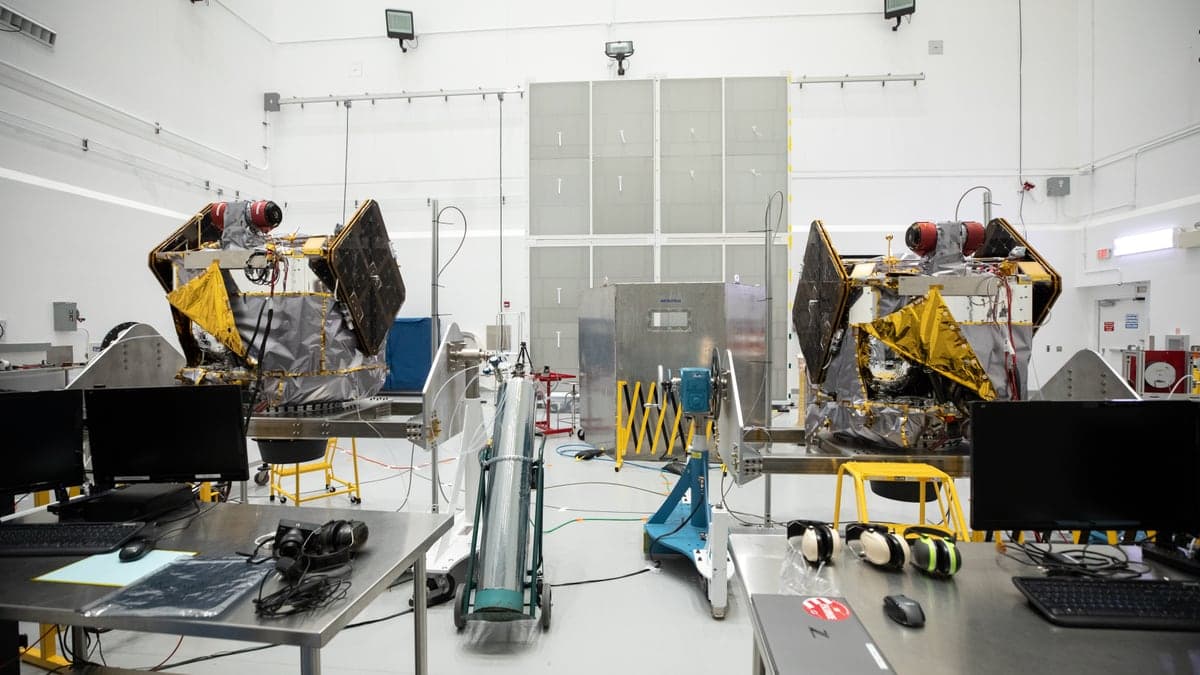
Closer to home, other NASA missions are writing new chapters, from the ESCAPADE twins now cruising to Mars to the agency's search for a way to extend Hubble's life.